Will Cybercabs And Others Take a Page Out Of The MP3 Biz-Dev Playbook and Transform Ordinary Trips, Into FREE RIDES?
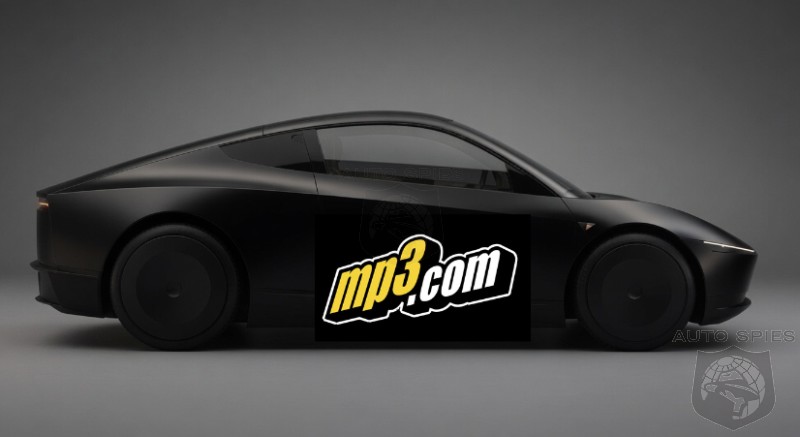
Back in 2000–2001, as the internet music revolution was exploding, MP3.com’s SVP of Business Development Donald Buffamanti — now Founder of AutoSpies.com — delivered two clever ideas that showed how partnerships and user incentives could drive massive adoption.
The first paired music electronic greeting cards with iDrive CEO Jeff Bonforte. The second — was the “GET IT FREE” CD promotion in partnership with echarge.com. Users simply signed up for an echarge account and received a free MP3.com compilation CD of their choice. It was a win-win: the company acquired engaged users and email addresses, sponsors gained visibility, and consumers walked away with something tangible at zero cost.That model worked because it turned a simple transaction into an experience people actively sought out.
Fast-forward to 2026. Self-driving vehicles like Tesla’s Robotaxi (and competitors from Waymo, Cruise, and others) are moving from prototype to real-world fleets. A recent post on X by @Teslaconomics floated an almost identical concept updated for the autonomous age: brands sponsoring rides so riders pay little or nothing.
The modern version feels like a natural evolution: while your Cybercab glides silently through traffic, you watch a short sponsor video on the in-car screen, answer a couple of quick questions about it, or opt-in to receive a personalized offer on your phone — and the ride becomes free (or heavily discounted).Imagine the possibilities:
* A coffee chain sponsors your morning commute: watch their 45-second spot and get the ride free if you’re heading toward one of their locations.
* A streaming service offers “Ride Free with Netflix” — finish a quick poll about shows and your fare is covered.
* Retailers or restaurants sponsor rides home after dinner or shopping, turning the vehicle into a moving billboard with measurable engagement.
Because the car is fully autonomous, passengers have safe, undivided attention. No driver distraction concerns. The captive audience is relaxed, often alone or with friends, and already in a buying mindset (heading somewhere). Data from the ride — destination, time of day, even music playing — could make targeting extremely precise, all with proper consent.For the AV operator, this creates a high-margin revenue stream on top of the base fare. Lower effective prices for riders accelerate adoption. Brands get something traditional billboards or even digital ads can’t match: a relaxed, opted-in audience in a premium environment.
Would Auto Spies readers and many riders eat this idea up?
Would you watch a 60-second branded video and answer two questions to make your Cybercab or other ride free? Or would you rather pay full price for an ad-free experience? Do you see major brands (think McDonald’s, Nike, Coca-Cola, or local businesses) jumping in aggressively once Cybercab fleets scale?
Some will love the idea — “free” is a powerful word, just like it was in 2001. Others will worry about privacy creep or ad fatigue. The beauty is that participation would likely be optional. Riders who want pure quiet can pay normally; those who want the deal opt in.History shows these kinds of incentive models work when executed cleanly. MP3.com used them to grow fast in a new medium. Autonomous ride-hailing is another new medium — one with far more captive time and better targeting potential.The question isn’t really if sponsorships will appear in these rides. It’s how soon and how creatively they’ll be implemented. The “GET IT FREE” playbook from two decades ago may be about to get a very high-tech reboot.
What do you think — are you in for a sponsored ride, or would you rather keep your autonomy (and your screen) ad-free?
Discuss….
Copyright 2026 AutoSpies.com, LLC