A provocative question is gaining traction among enthusiasts: Are the top-of-the-line offerings from Hyundai, Kia, and Genesis effectively the current-generation Audis? Once synonymous with premium German engineering, Audi has faced criticism for diluting its luxury ethos, particularly in its latest models and electric vehicles (EVs). Meanwhile, the Korean trio—under the Hyundai Motor Group umbrella—has surged forward with ambitious designs, cutting-edge technology, and interiors that rival or even surpass traditional luxury brands. This shift prompts a deeper examination of how Audi's "de-premiumization" has opened the door for these challengers.
Audi's reputation was built on meticulously crafted cabins that exuded sophistication, with soft-touch materials, ambient lighting, and intuitive interfaces like the Virtual Cockpit. However, recent iterations, especially in the EV lineup, tell a different story. Take the Q4 e-tron, Audi's entry-level electric SUV. Critics have pointed out its reliance on hard plastics, glossy piano-black trim prone to fingerprints, and a haptic-touch climate control system that feels more gimmicky than premium. The Q6 e-tron, while more advanced, skimps on physical buttons in favor of touchscreen-heavy dashboards, leading to a sense of cost-cutting. Even the flagship e-tron GT has been dinged for interior quality that doesn't justify its six-figure price tag. This "de-premiuming" stems from Volkswagen Group's push for electrification efficiencies, where shared platforms like the PPE (Premium Platform Electric) prioritize scalability over bespoke luxury. The result? Audis that feel more like upscale Volkswagens than the pinnacle of Ingolstadt ingenuity.
Contrast this with Hyundai, Kia, and Genesis, which have flipped the script. Genesis, the luxury arm, exemplifies this with the GV80 SUV, boasting quilted Nappa leather, massaging seats, and a 3D digital cluster that outshines Audi's in usability. The G90 sedan integrates augmented reality head-up displays and serene cabins that echo Mercedes more than economy roots. Kia's EV9, a three-row electric SUV, delivers premium vibes with sustainable materials, panoramic screens, and over-the-air updates that keep it fresh—features Audi reserves for pricier trims. Hyundai's Ioniq 5 and Ioniq 6 push boundaries with pixelated lighting, spacious interiors using eco-friendly fabrics, and performance variants like the Ioniq 5 N that rival Audi's RS models in thrill without the badge snobbery.
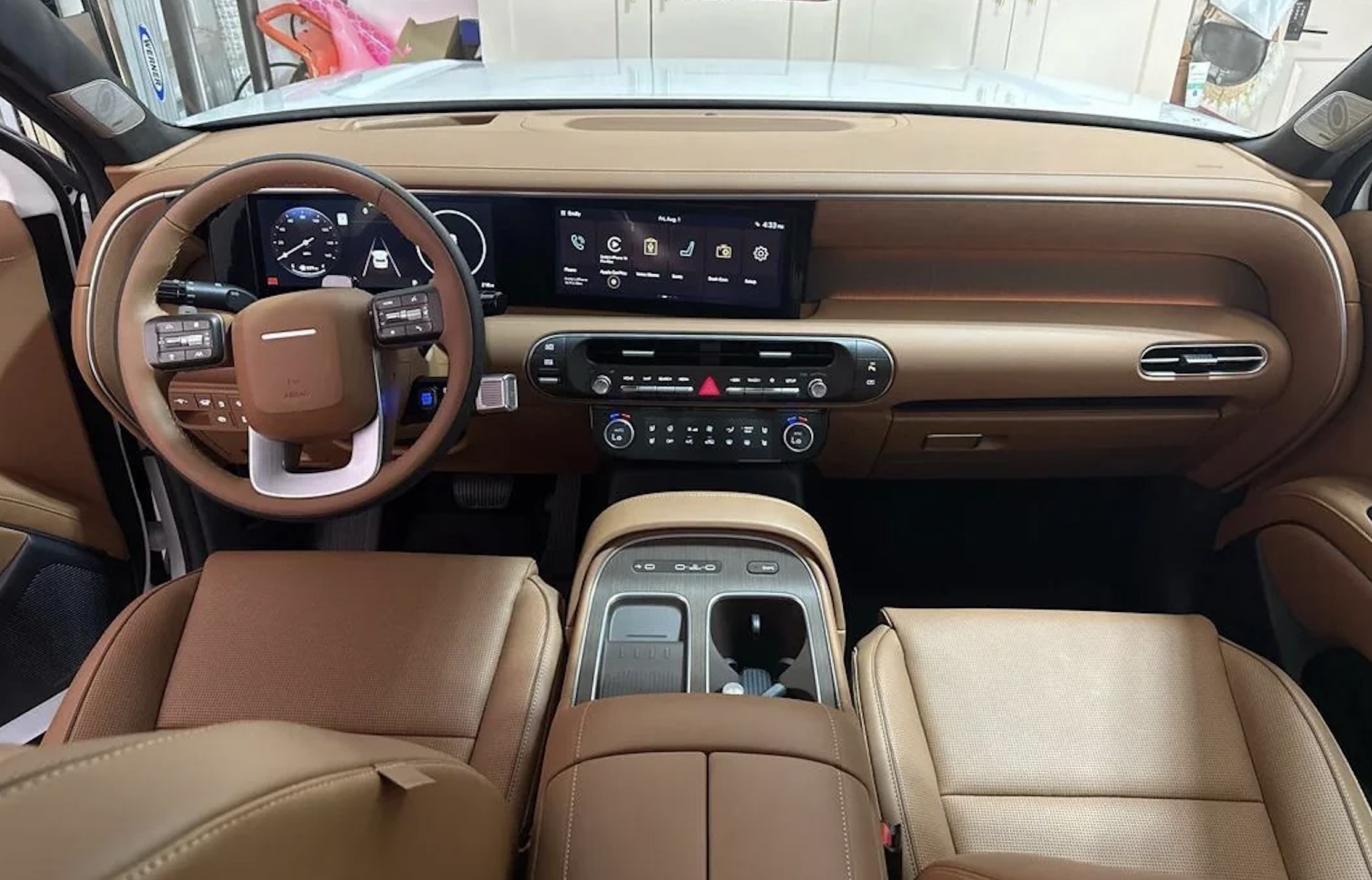
This convergence isn't coincidental. Hyundai Motor Group has invested billions in R&D, hiring ex-BMW and Bentley designers to infuse genuine luxury. Their vehicles often undercut Audi prices by 20-30% while matching warranty lengths (10 years/100,000 miles) and including complimentary maintenance. Reliability ratings from J.D. Power frequently favor the Koreans, and their EVs boast competitive ranges and fast-charging capabilities.
Yet, Audi retains advantages in brand prestige, all-wheel-drive prowess (quattro), and a refined driving dynamic honed over decades. The question isn't about outright replace ment but evolution: Have these Korean brands democratized premium experiences that Audi once gatekept?
So, Spies, what do you think? Are the top-of-the-line Hyundais, Kias, and Genesis products the current-generation Audis? Share your thoughts in the comments.