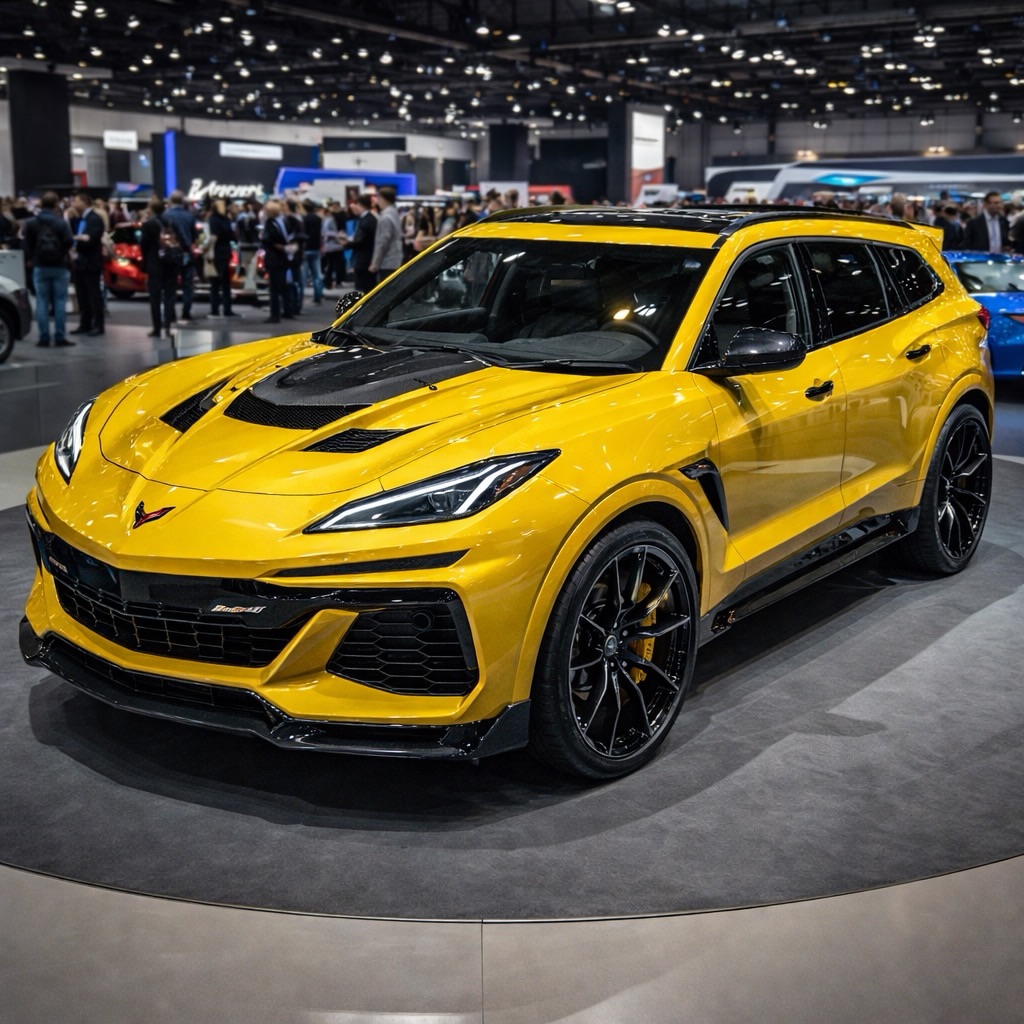
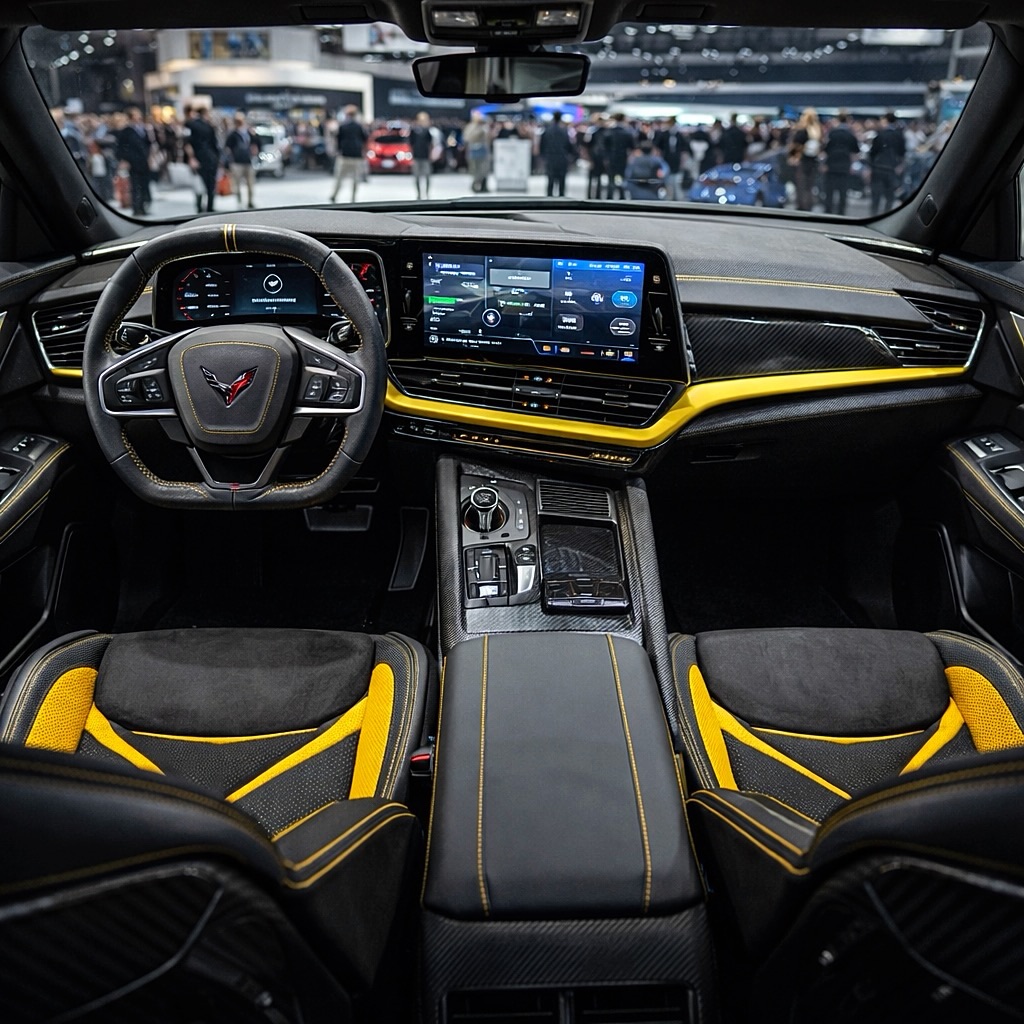
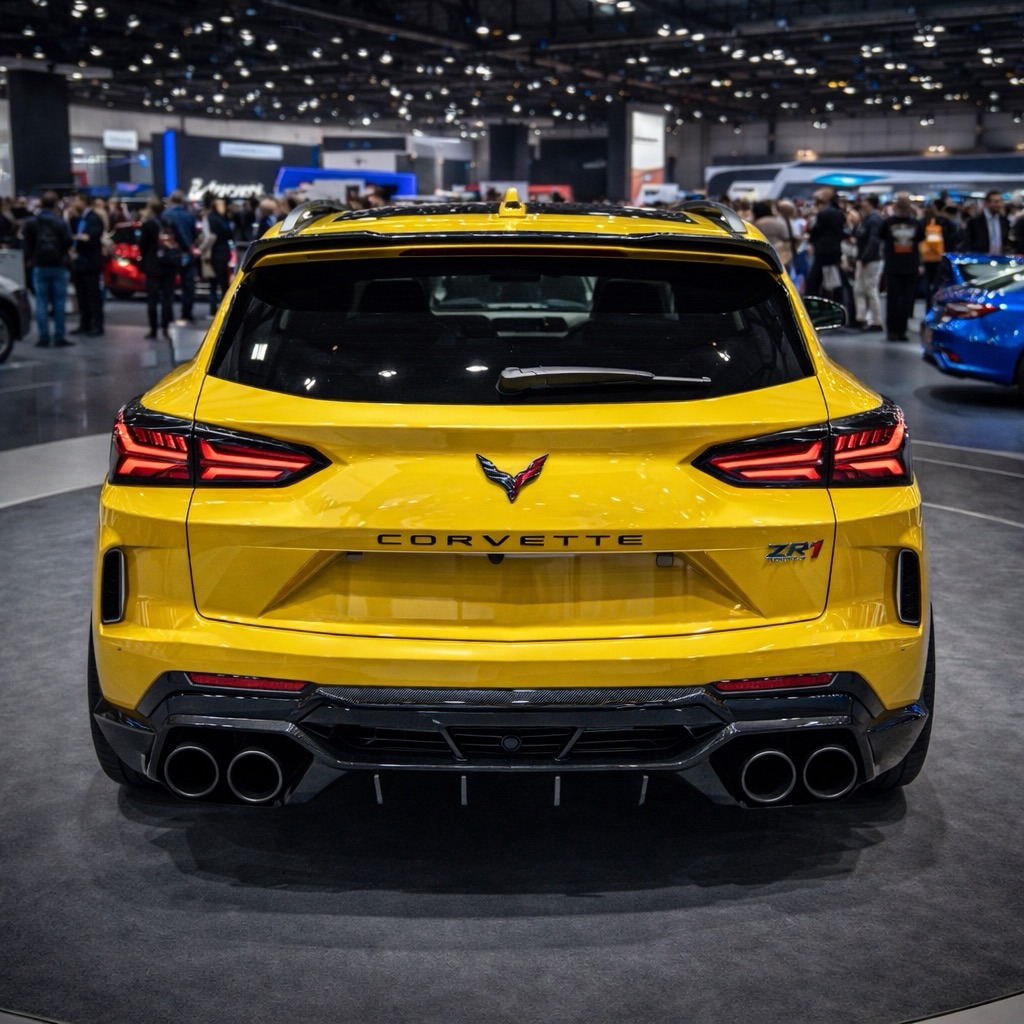
Few ideas scream "instant bestseller" like a Corvette SUV. Picture it: the iconic American muscle of the Corvette, reimagined as a practical, family-hauling beast that undercuts luxury exotics like the Lamborghini Urus. Dubbed the "poor man's Urus," this hypothetical crossover would blend blistering performance with everyday usability, selling like hotcakes—or hamburgers, as the analogy goes. Yet, here we are in 2026, and General Motors (GM) seems content to let this golden goose gather dust. What the hell is taking them so long?
The market is ripe for a Corvette SUV. Sports car brands have long realized that expanding into SUVs isn't dilution—it's domination. Porsche's Cayenne and Macan have been cash cows, funding the 911's evolution while attracting new buyers. Lamborghini's Urus, starting at over $230,000, has become the brand's bestseller, proving that supercar DNA in an SUV body appeals to affluent families who want speed without sacrificing space. Even Ferrari jumped in with the Purosangue. A Corvette version could slot in at around $60,000 to $80,000, making it accessible to the masses. It'd borrow the C8's mid-engine magic, perhaps with a supercharged V8, all-wheel drive, and elevated ground clearance, turning grocery runs into adrenaline rushes.
Demand is evident. Enthusiasts on forums and social media clamor for it, envisioning a "Vette that hauls kids and corners like a demon." GM's own teasers hint at expansion: a performance-focused EV subbrand including an SUV and sedan is in the works, but the first gas-powered Corvette SUV is reportedly on the horizon. Compact and midsize variants could target rivals like the BMW X3 M or Porsche Cayenne, riding on the same platform as Cadillac's Blackwing sedans. YouTube reveals and concepts abound, fueling hype for a 2026 or 2027 debut.
So, why the delay? GM's hesitation stems from purist backlash—diehards fear tarnishing the Corvette's sports-car legacy. Internal sources cite years of indecision, prioritizing the C8's mid-engine shift and EV transitions. The company is juggling a crowded lineup, with the standard Corvette getting 2026 updates like a revamped interior and new tech. Economic headwinds, supply chain woes, and a shift toward electrification might be stalling gas-powered projects. But in a post-pandemic world where SUVs dominate sales (over 70% of U.S. vehicles), ignoring this is corporate malpractice.
Imagine the impact: a Corvette SUV could revitalize Chevy dealerships, poach Urus buyers with half the price and double the patriotism, and secure GM's future against Tesla's EVs. It's not just a product—it's a cultural shift, making supercar thrills democratic. GM, wake up! The slam-dunk is yours for the taking. Don't let it become another missed opportunity!
Build it, and they will come—faster than a ZR1 on a straightaway.
Look how the Escalade changed Cadillac. This one for Chevy is staring you in the face! GET TO WORK! Would change the entire vibe of the brand and actually attract YOUNGER than 50 buyers unlike the ACTUAL Corvette.
If it looks like this rendered speculation, even WE are IN!